The situation
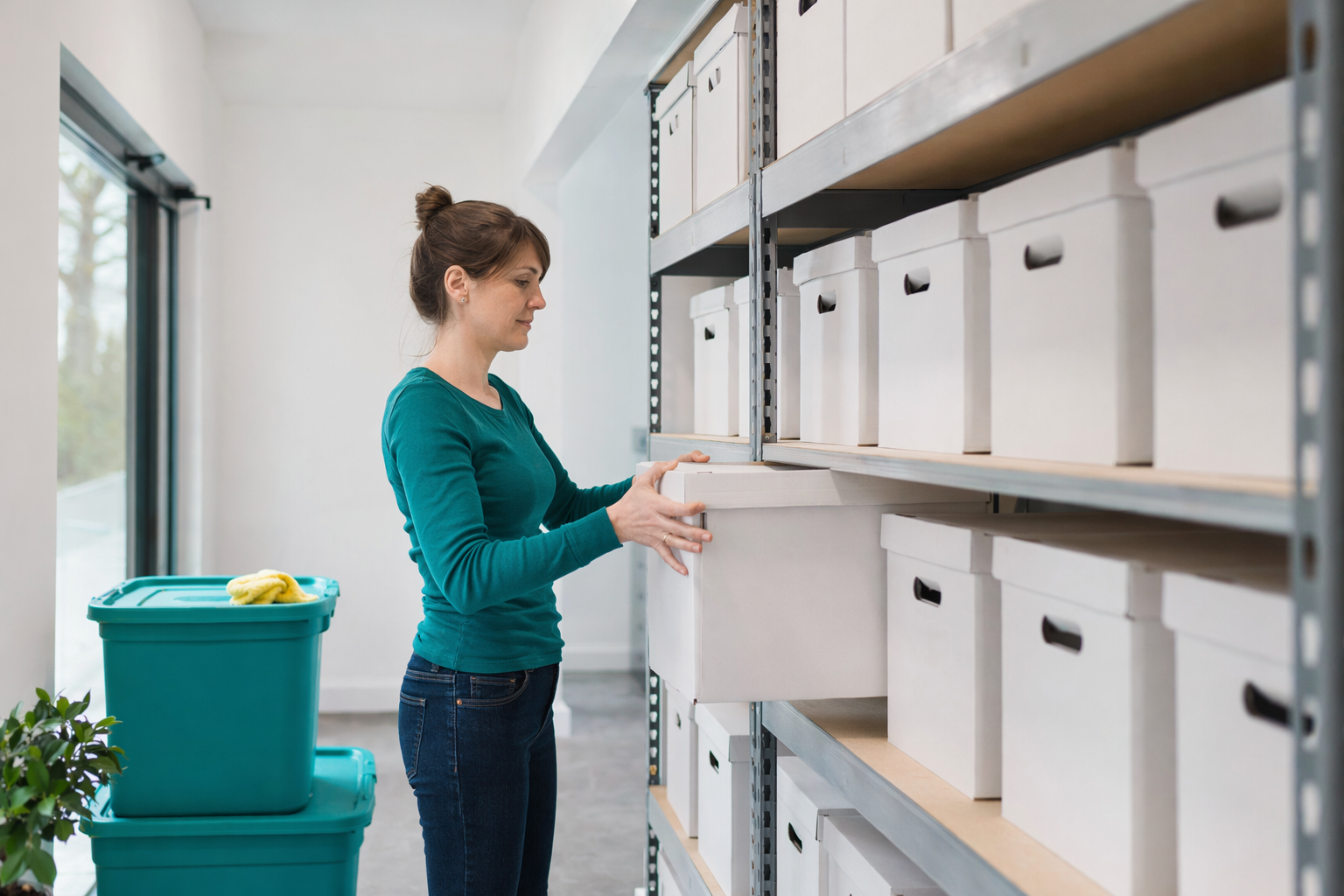
A small business running a steady online and in-store sales day had a problem. They sold through faster than they expected. Their back room filled up with boxes, extra packaging, and slow-moving items.
They needed overflow space soon. They also needed a setup that fit their schedule. They did not want a long contract or a storage plan that was too big and too expensive.
What they needed
The shop owner needed somewhere for inventory and supplies. The items were not furniture or electronics, mostly boxed stock. They estimated they needed roughly a 5x10 storage unit worth of space at first, then maybe less as the busy season ended.
They also needed access they could manage. That meant clear hours for drop-offs and pickups, and a location that was not too far from their shop.
How matching helped
Instead of calling around, they used StowMatch to share their needs. They entered basics like the storage type, rough space size, and their move timeline. Then they got matched to options that fit those details.
You can see the process in How it works. And you can start right away on Get matched. StowMatch does not move items or set prices. It helps connect you with storage choices that match your search.
The outcome
Within a short time, the shop had a workable storage option for its overflow stock. That freed up space in their back room, so they could receive new orders and pack shipments without blocking daily work.
The best part was control. They could compare options, choose what fit their timing, and adjust as the season changed.
Common questions
How fast can overflow storage start?
It depends on availability near you. When you get matched, you will see options with different start times based on your dates.
Do I need an exact unit size before matching?
No. A rough estimate like “about a 5x10” is a good start. You can refine later.
Does StowMatch store my items?
No. StowMatch is a free matching service. It helps you find storage options, but it is not a storage company.
Is this story based on a real person?
The example is anonymized. It is shared to explain the matching process, not to identify a specific business.