Storage in Seattle
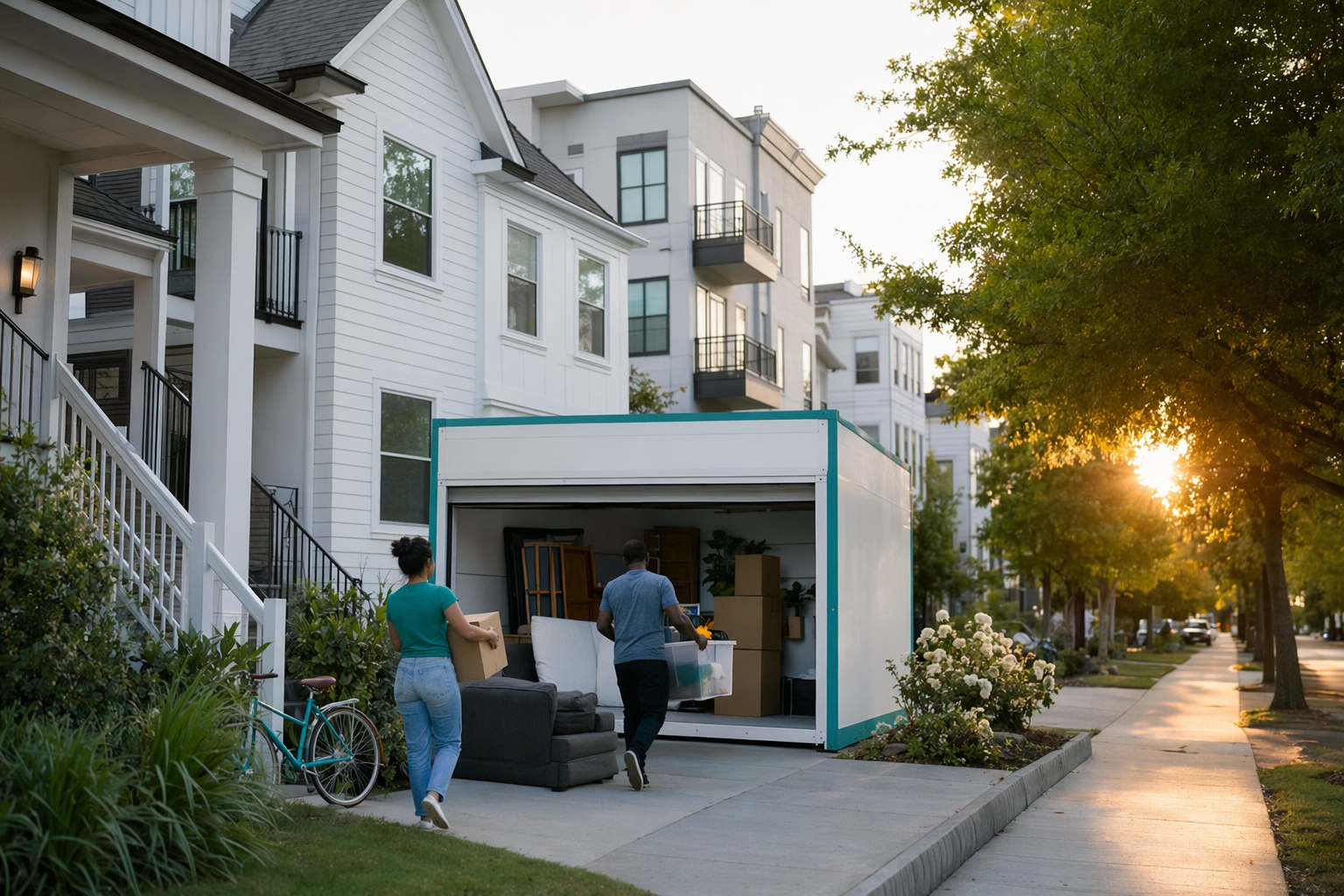
Seattle-area storage helps when you are between homes, downsizing, remodeling, or relocating for work. Options can include self-storage units, moving-storage, or portable storage pods. The best choice depends on how soon you need access and how long you need the space.
Seattle’s weather is a big factor. Expect more moisture in the air and more rain in many months. That can affect how you store paper items, bedding, electronics, and clothing. It can also influence what protection and ventilation you should look for.
If you are new to the area or moving from another state, start by matching your space to your plan. Do you want to pick up items yourself, or do you want door-to-door help? StowMatch comparisons make it easier to sort your options. Learn more about storage types here: self-storage units.
Typical costs
Storage costs in Seattle can vary based on unit size, length of rental, and local demand. Typical monthly ranges often fall within a broad band, with smaller units usually costing less and larger units costing more. Prices can also change with season. Summer moves often run higher than slower months.
Climate can affect your choice too. If you need extra protection for humidity, you may want to ask about dehumidification or how units are sealed. Ground-level units can also feel different than upper floors.
StowMatch does not set prices. When you get matched for free, you will see options that fit your dates and space needs.
What to check locally
Before you choose a unit in Seattle, check these practical items. They often matter as much as price.
First, measure what you have. For example, a 5x5 unit is often used for a few rooms of small items, while a 10x10 unit is commonly used for a one-bedroom move. If you are not sure, list your items and count boxes, plus bulky pieces like a mattress or couch.
Second, ask about access hours and the location of the unit. Some places offer extended access, some have limited hours, and some require a specific entry code. If you plan weekend trips, confirm the schedule.
Third, look at climate and protection. Ask how units handle moisture and whether you can use a lock and what type of lock is required.
Get matched
Ready to compare? Start your request and tell StowMatch your move dates, preferred access, and approximate size. You will get free matches with options that fit your needs.
If you are comparing storage across the region, you can also browse other areas from the main page at cities. When you are ready, use get-matched to see the best options for your timeline.
Common questions
What size storage unit do I need in Seattle?
Start with your room plan or box count. If you tell us what you are storing and for how long, StowMatch can help you estimate a size range.
Are Seattle storage units usually climate-controlled?
Some are, some are not. Many facilities offer climate-controlled options, but it varies by location and availability. Ask before you decide, especially for documents, electronics, and furniture.
Will rain and humidity damage my items?
Humidity can be a risk, especially for paper, fabric, and electronics. Use sealed bins, add padding, and ask about how units manage moisture.
Can I get storage for a short time?
Many options support short rentals, but availability depends on the dates you pick. Sharing your start and end dates helps StowMatch match you faster.