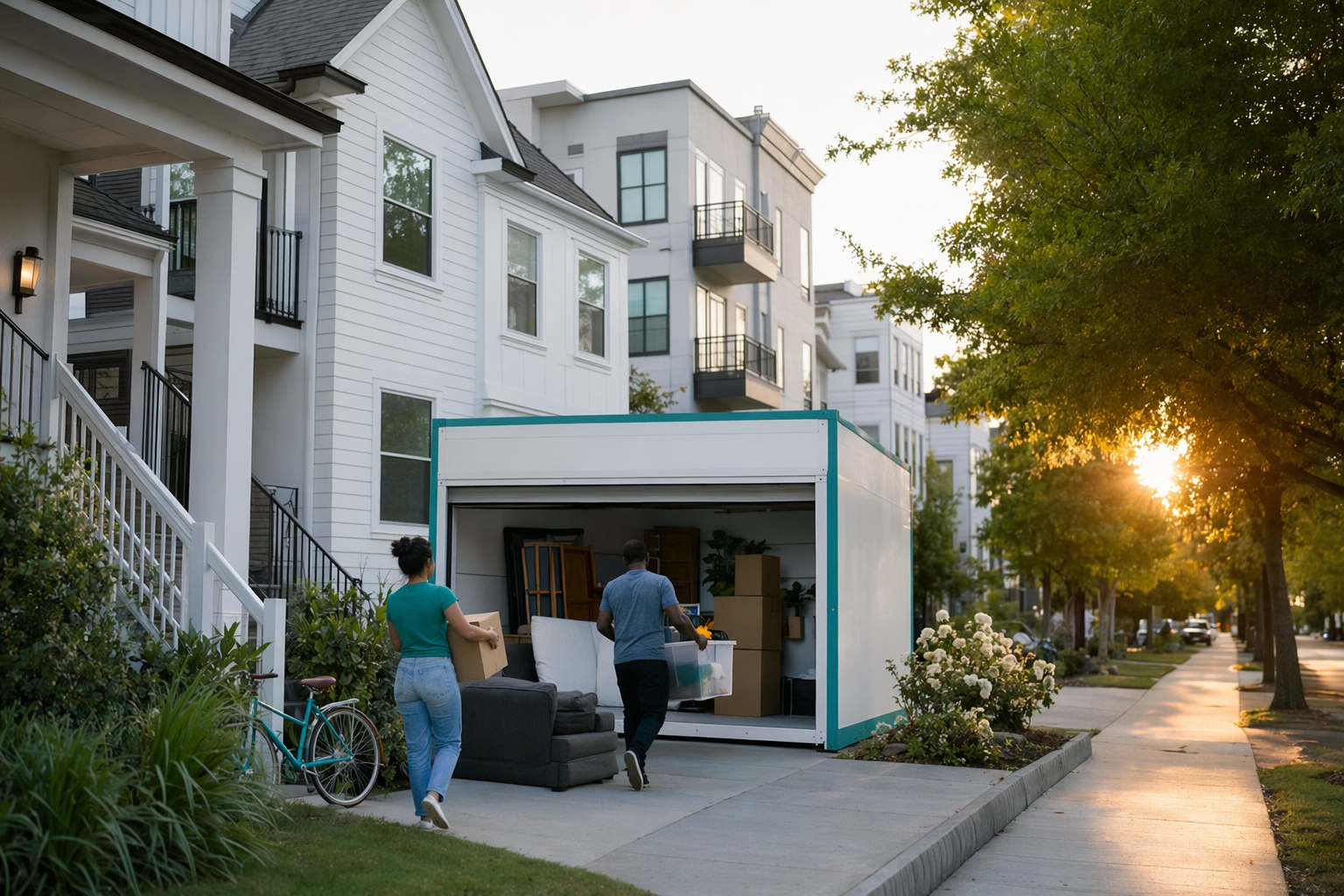
Storage in New York
Storage needs in New York can vary a lot by borough, city, and even the block. Weather, road access, and demand can affect what is available and how fast units rent. If you are moving for work, school, or a new apartment, planning early can help.
Most people need one of three setups: self-storage units, portable storage pods, or moving-storage for a short time during a move. The best choice depends on how long you need storage, how much you have, and how easy it is to access your location.
If you are relocating from another state, you may need storage while you wait for housing. If you are downsizing, you may need a smaller unit for seasonal items. Either way, start by counting what you truly need to store. One careful list can prevent you from paying for space you do not use.
- Plan for weather and limited elevator or loading access in dense areas.
- Pick a storage size based on items, not just your “best guess.”
Typical costs
Pricing in New York is usually based on unit size, location, and length of stay. In many areas, you might see typical monthly ranges for indoor units like 5x5, 10x10, and 10x15. Prices can change by season and by local demand.
Climate matters too. New York winters and humidity can affect how you store sensitive items like electronics, documents, or furniture. Some facilities offer features like indoor access, heated spaces, or climate-controlled options. Those can cost more, but they may protect your items better.
To avoid surprises, ask about fees that can add up. Common items include first-month payment rules, admin fees, insurance options, gate access or parking fees, and late-payment policies.
- Expect cost changes by neighborhood, season, and access hours.
- Ask about total monthly cost, not just the advertised rate.
What to check locally
Before you choose a storage option, check access and building rules. Look for hours of access, whether you need a code, and if you can reach your unit on weekends. If you drive, confirm parking and unloading rules. If you use a moving truck, check whether the site allows trucks and how long you can stay during loading.
Next, check the space and protection. For apartments, many people store bikes, rugs, and boxes. For families, it is often furniture, seasonal clothing, and baby items. Choose a unit that fits your biggest pieces. Measure doors and stairways if you are carrying items inside.
Finally, confirm your storage plan. Does the storage term start right away? Do you get a clear move-out process? Ask what happens if you need to change unit sizes later.
- Confirm access hours, loading rules, and any truck limits.
- Check door size, lighting, and whether the space is dry enough for your items.
- Ask about insurance and what documents you need.
Get matched
StowMatch makes it easy. Tell us your city, dates, and what you want to store. Then we match you with storage providers that fit your needs, including self-storage units, portable pods, and moving-storage options.
Start by exploring service details at self-storage units. If you are still deciding where to look first, browse by cities to see options across New York.
Ready to move forward? Use Get matched and share a few details. It is free, and you can compare options side by side.
Common questions
What size storage unit do I need in New York?
Start with your biggest items and count boxes. Common starting points are 5x5 for small boxes and seasonal items, 10x10 for a studio apartment, and 10x15 for a one-bedroom plus extra. If you list what you have, matching is usually more accurate.
Are climate-controlled units worth it?
They can be worth it for items that hate temperature swings, like electronics, records, photos, and some furniture. If you store mostly plastic bins and clothes, a standard indoor unit may be enough. Ask about humidity protection for best guidance.
How far in advance should I book storage?
If you are moving in peak times, aim for 2 to 6 weeks ahead. For urgent moves, you can still search, but availability and access options may be more limited.
Can I store things while I wait for my apartment?
Yes. Many people use storage for short or medium periods during housing transitions. Be sure to plan your start and end dates so you do not pay for time you do not need.