Short answer
Store books and papers in clean containers and keep them dry. Use plastic bins or sealed boxes for moisture control. Add airflow and keep items off the floor.
If you need to store for a move or a renovation, plan the packing first. Then choose storage that matches how often you will access your items. You can start by comparing options near you with get-matched.
- Dry space plus sealed containers helps protect paper
- Keep items off the floor with pallets or shelves
- Label boxes clearly for fast pickup later
Details
Start with sorting. Separate books, loose papers, and folders. Remove staples or anything that can rust. For books, stack firmly but do not crush spines. For papers, keep original folders and label each category.
Use the right packaging. For papers, consider acid-free folders or sleeves for important documents. For most records, sealed moving boxes or plastic storage bins work well. Add a simple moisture barrier, like silica gel packs, especially in warm or humid areas.
Control dust and pests. Wrap books in clean paper if they are not staying in sealed bins. Cover shelves with plastic wrap if you are using a bookcase indoors before storage. Never store food, chemicals, or anything that can leak.
Plan your box layout. Put heavy books in smaller boxes, about 15 to 25 pounds each when possible. Keep frequently used papers in a separate, easy-to-reach box. If you are not sure how much space you need, use guides-how-much-storage-do-i-need to estimate.
Cost note
Storage pricing usually depends on unit size, location, and whether you want climate-controlled space. For books and papers, sealed containers may be enough for many situations, but climate control can help if you live in areas with hot summers, cold winters, or high humidity. Check listings through answers to understand what to look for, then compare options on get-matched.
Next step
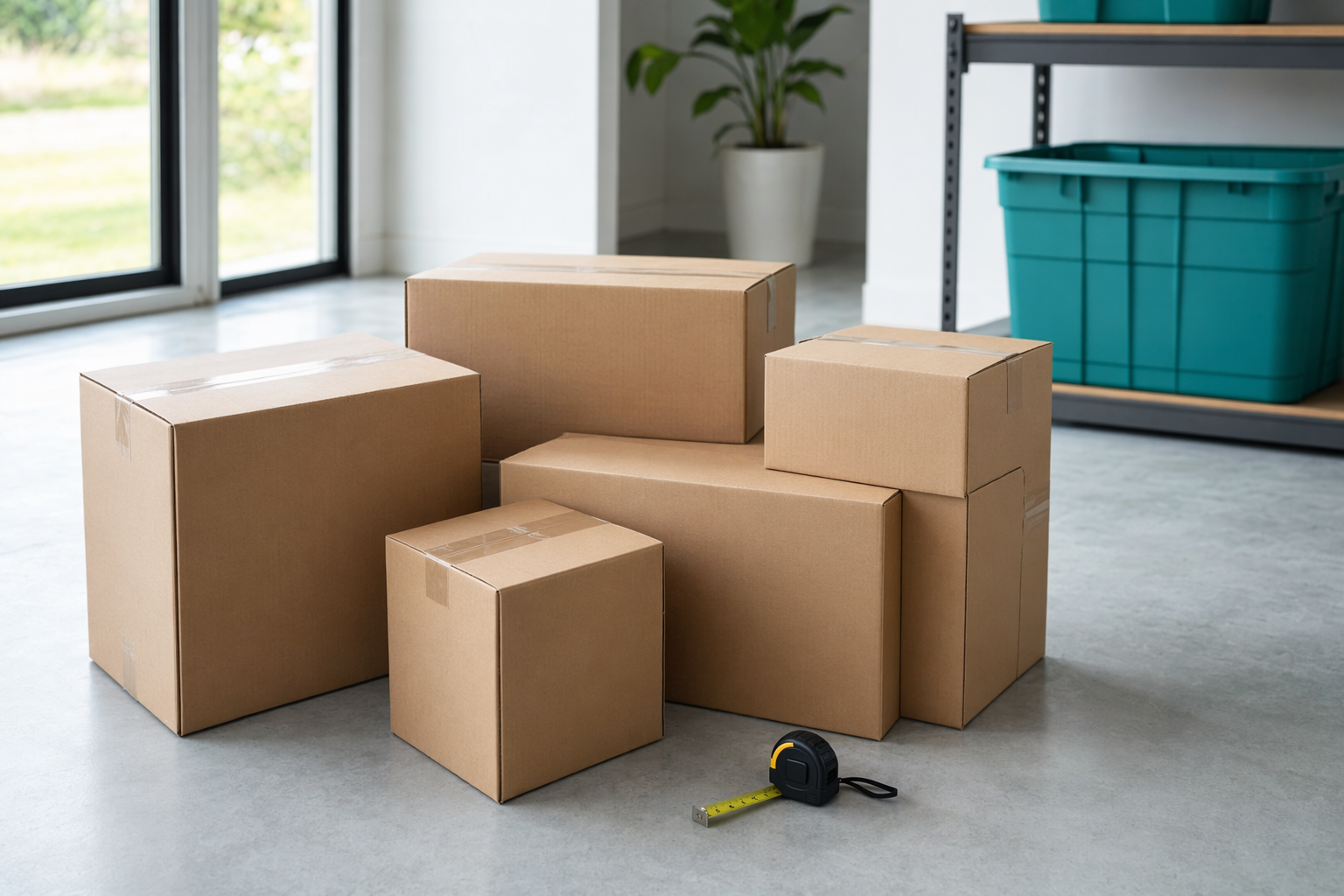
Measure what you have. Count boxes and estimate shelf needs. Then choose storage that fits your access schedule.
When you are ready, share your location and basic details on StowMatch. We help you compare storage options near you. Get started at get-matched.
Common questions
Should I use cardboard boxes or plastic bins for papers?
Plastic bins are better for moisture protection. If you use cardboard, choose thick moving boxes and keep them tightly packed in a dry unit.
Do I need climate-controlled storage for books and documents?
Often, sealed containers protect items well. Climate control can help if you expect long storage in very humid or extreme temperature areas.
How can I prevent mold or mildew?
Pack items dry, seal them, and keep boxes off the floor. Adding silica gel packs inside bins can help with moisture.
How should I label boxes for easy access?
Use clear labels like “Taxes 2022,” “School Records,” or “Cookbooks.” Also note what room or date each box belongs to.