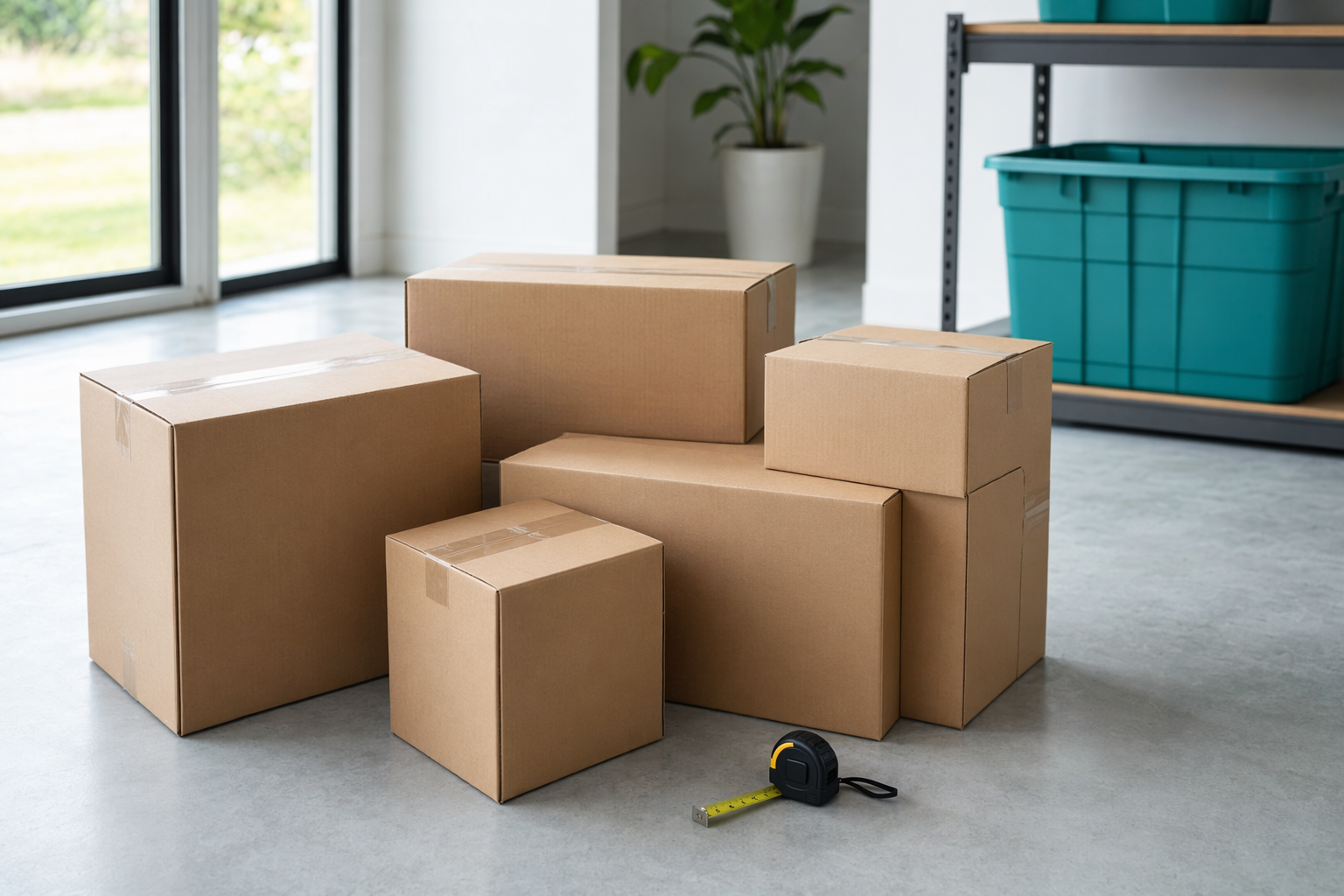
How to Store Appliances (Short Answer)
First, check the appliance type and prep it so moisture and odors do not build up. For most appliances, you will want to clean it well, dry it completely, and protect it from dust.
Next, choose the right storage space size. If you are not sure, start with a quick size estimate using how much storage do I need?. Then compare options near you with get matched.
- Clean, then fully dry before storing
- Keep doors, lids, and drawers closed or wrapped
- Use padding to prevent scratches and dents
Details: What to Do Before You Store
Refrigerators and freezers need special prep. Turn the unit off and unplug it. Defrost if needed. Clean the inside with mild soap, then wipe dry. Leave doors cracked open only if the storage unit can stay dry and safe. Otherwise, close the doors and add moisture-absorbing packs.
Washers, dryers, and dishwashers should be dry after cleaning. Run a short drying cycle if the model allows it, then leave the door closed until everything is fully dry. Disconnect hoses if required for safe moving, and cap open ends to reduce leaks.
For stoves and microwaves, remove loose parts if possible and pack them separately. Use bubble wrap or moving blankets on edges and corners. Cover the appliance so dust does not settle, but avoid sealing it in a way that traps moisture.
If you have small appliances like blenders or mixers, clean them and store cords neatly. Put accessories in a labeled box inside the storage space so you do not have to search later.
Cost Note: What Storage Usually Depends On
Storage cost usually depends on unit size, location, and the kind of access you want, like drive-up or indoor access. Climate control can cost more. If you are storing items that are sensitive to moisture, climate-controlled space is often worth comparing.
Do not forget to include prep supplies in your budget. A few basics like packing tape, blankets, and moisture absorbers can help protect appliance surfaces.
- Unit size and location are the big drivers
- Climate control often costs more than standard units
- Prep supplies can add up, but can prevent damage
Next Step: Compare Storage Near You
Use StowMatch to compare storage options without calling multiple places. Start with your appliance list, approximate measurements, and your move-in and move-out dates.
If you want more basics, see answers for common questions about moving and storage. Then begin at get matched to find a storage match near you.
Common questions
Should I store appliances in a climate-controlled unit?
If you expect hot or very humid conditions, climate control can help reduce rust and odor issues. It is a good option to compare for refrigerators, freezers, and washers.
How long do I need to dry an appliance before storage?
Dry it completely until there is no visible moisture. After cleaning, wipe down and let it air dry if you can.
Do I need to wrap appliances?
Yes, light protection helps. Use moving blankets or bubble wrap for corners and surfaces, and cover with a breathable cover or plastic wrap only if it will not trap moisture.
Can I store multiple appliances in one unit?
Often yes, if you plan spacing and keep them from touching in ways that cause dents. Measure your items and compare unit sizes using how much storage do I need?.